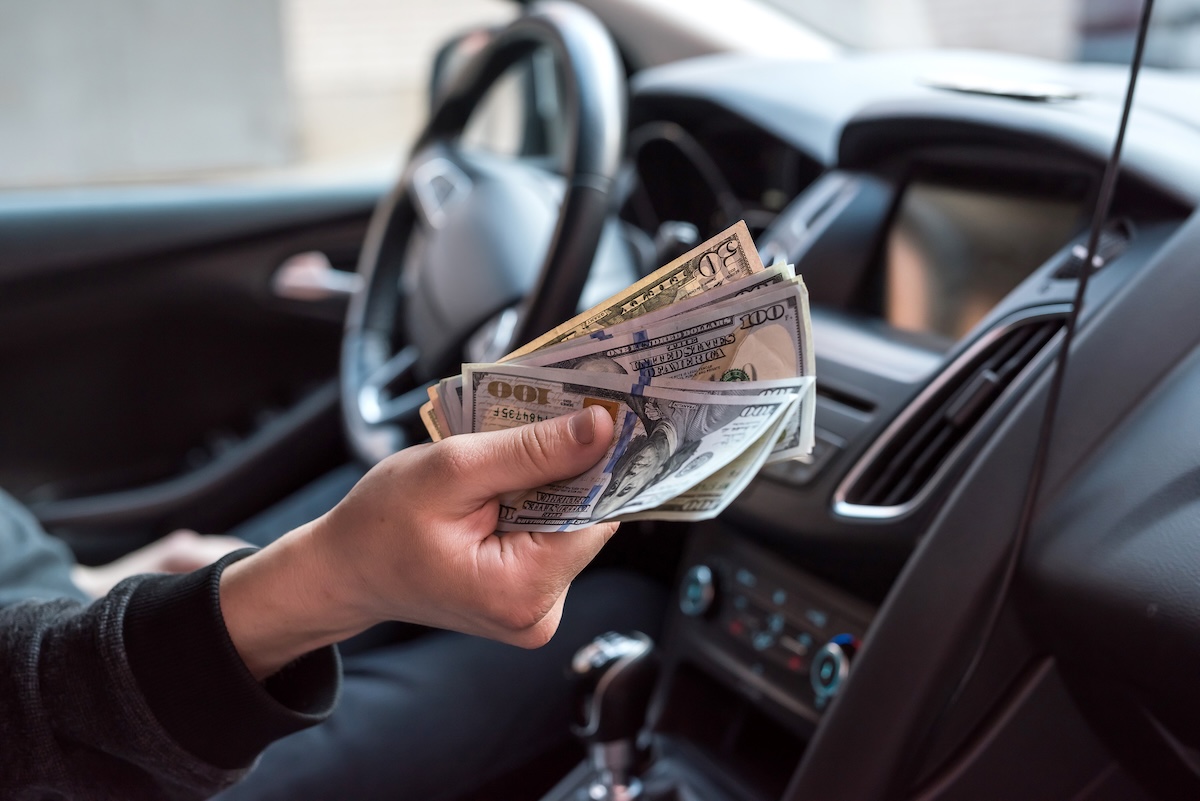
Pre-payment vs. earnest money when buying a used or a new car

It is significantly less common than when e.g. purchasing real estate, but it may happen that someone gives a pre-payment or earnest money when purchasing a used vehicle. In our article, we have covered the most important questions and legal institutions that arise in such cases.

There is a significant difference between the two institutions, but both assume a motor vehicle sale and purchase agreement (whether for a new or a used car) in which the parties address these issues.

The earnest money is an ancillary obligation securing the contract: in the event of failure, it functions as a penalty for one or the other party. If the contract is fulfilled, the earnest money is counted towards the total purchase price as the first instalment. However, if the sale and purchase fails, the person responsible for the failure of the contract loses the earnest money and is obliged to return twice the amount of the earnest money received. If the contract is terminated for reasons for which neither party is responsible, or for which both parties are responsible, the earnest money is returned in full to the buyer who paid it.

An advance payment (pre-payment) is the payment of part of the debt before the performance deadline, which the beneficiary is obliged to accept. An advance payment is merely a prepaid portion of the purchase price (not regulated under a separate name in the Hungarian Civil Code), which can be reclaimed in the event of non-performance of the contract. Since it has no confirmatory or punitive purpose, in the event of failure to perform the contract, the advance payment may be reclaimed in a single amount without any disadvantageous consequences for the earnest money, on the grounds of unjust enrichment.

When purchasing a used car, if payment is not made in a single instalment, it is advisable to use the earnest money, as the nature of the contractual guarantee binds the seller more closely to contractual performance. Even if the purchase price is paid in one sum, it is still possible to agree that the parties will consider 10 or 20% of the purchase price as an earnest money. It is important that only the amount of money paid as confirmation of the commitment can be considered an earnest money. This quality must be clearly recognized in the contract, so the amount of the earnest money must be specifically defined. An excessive earnest money may be reduced by the court at the request of the obligor, so a rate between 10-20% is recommended.

Our detailed article was published in the Garage section of Használtautó.hu and can be read here:

https://garazs.hasznaltauto.hu/ha-autot-vennel/eloleg-vs-foglalo-hasznalt-es-uj-auto-vasarlasa-eseten/

More blog posts